
No products in the cart.

COPYRIGHT © LA-STUDIO. ALL RIGHTS RESERVED.


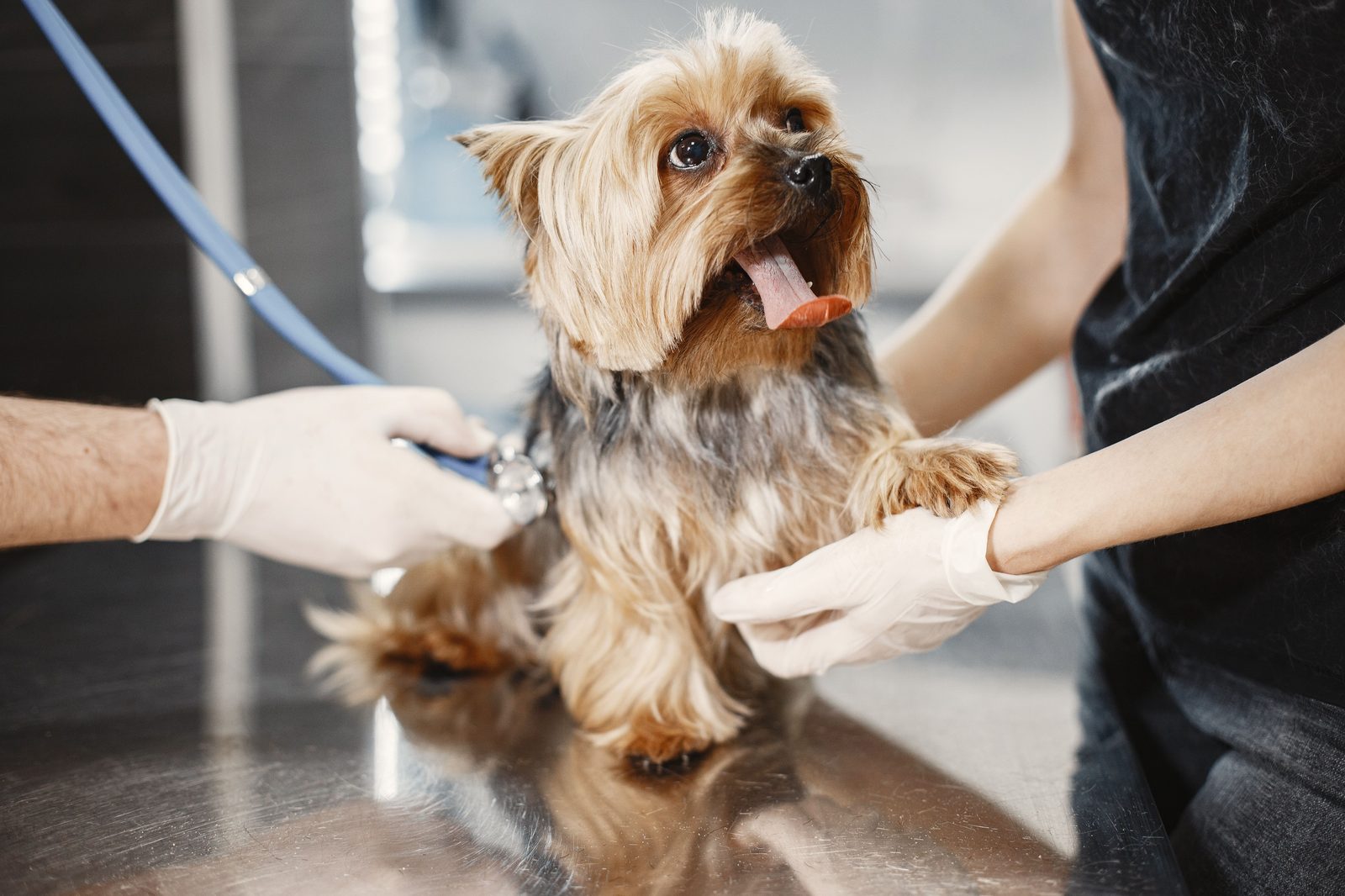
Deworming is one of the simplest and most important parts of looking after a pet in the UAE, yet it is also one of the most often forgotten. Intestinal worms are common in dogs and cats here, and because the UAE climate stays warm all year, there is no cold season to kill off parasite eggs in the soil. That means pets can pick up worms in any month of the year. The good news is that a regular deworming schedule keeps your pet protected, and it only takes a few minutes every few months. Here is the pet deworming schedule UAE vets recommend, and how to follow it.
In this guide we explain how often to deworm puppies, kittens, adult dogs and adult cats in the UAE, the signs that your pet may already have worms, which dewormers to use, and when to speak to a vet instead of treating at home.
Dogs and cats can catch intestinal worms in several everyday ways. Puppies and kittens can be born with roundworms passed from their mother. Adult pets pick up worm eggs or larvae from soil, grass, puddles, raw meat, fleas, and even from licking their paws after a walk. In the UAE, many pets also spend time in shared spaces such as dog parks, boarding kennels, grooming salons and farmyards, where worm eggs spread easily between animals.
Unlike in colder countries, worm eggs survive well in the UAE for much of the year. Warm sand, soil and shaded ground stay hospitable to parasite eggs, which is why vets in the UAE recommend deworming on a fixed schedule rather than only when worms are visible. By the time you can see worms in your pet’s stool, the infestation is already well established.
Some worms are also a health concern for people. Roundworm and hookworm larvae can infect children and adults, usually through contact with contaminated soil or faeces. Regular deworming protects your pet and your family.
The four worms vets see most often in the UAE are roundworms, hookworms, tapeworms and whipworms.
Roundworms are the most common worm in puppies and kittens. They live in the intestines, steal nutrients, and can cause a swollen belly, poor growth and a dull coat. Hookworms attach to the gut wall and feed on blood, so a heavy infestation can cause anaemia, dark stools and weakness, especially in young animals. Tapeworms are usually picked up when a pet swallows an infected flea while grooming, which is why flea control and deworming go together. Whipworms are less common in cats but do affect dogs, and they can cause persistent diarrhoea and weight loss.
A broad-spectrum dewormer covers roundworms, hookworms, tapeworms and whipworms in one treatment. That is why vets recommend a broad-spectrum product rather than a single-worm treatment for routine deworming.
Veterinary clinics across the UAE, including the American Board of Veterinary Clinics (ABVC) and Modern Vet, recommend the following schedule. It follows the same intervals used by vets worldwide, because the worm life cycle does not change with location.
| Age of pet | How often to deworm |
|---|---|
| Puppies and kittens, 2 to 12 weeks old | Every 2 weeks |
| Puppies and kittens, 3 to 6 months old | Once a month |
| Adult dogs and cats, over 6 months old | Every 3 months |
| Pregnant females | As advised by your vet |
Start deworming puppies and kittens at two weeks of age. At this stage, treatments are given every two weeks because roundworm larvae keep maturing in the puppy’s body. From three to six months, deworm once a month. After six months, deworm every three months for life.
Adult dogs and cats should be dewormed every three months, even if they look healthy and live mostly indoors. Indoor cats can still catch worms from fleas brought in on shoes or clothing, and from raw meat. If your dog regularly hunts, eats faeces, or lives with other animals, your vet may suggest deworming monthly instead of every three months.
Pregnant dogs and cats need special care. Worms can pass to puppies and kittens before birth and through milk, so tell your vet if your pet is pregnant or nursing. Your vet can choose a dewormer that is safe during pregnancy and set the right timing around whelping or kittening.
Many pets with worms show no signs at all, which is exactly why a fixed schedule matters. When signs do appear, the most common are:
If you see any of these signs, deworm your pet and watch the stool over the next few days. If the signs continue after treatment, or if your pet has blood in the stool, severe diarrhoea, or is very weak, take them to a vet. A vet can do a faecal test to identify the worm type and check for other causes of the same symptoms.
Deworming at home is straightforward, but a few details make it work properly.
First, weigh your pet. Dewormer doses are calculated by body weight, and an under-dosed pet may not be cleared of worms. Use a bathroom scale for cats and small dogs by weighing yourself holding the pet, then subtracting your own weight. Most vet clinics and pet shops will weigh your pet for free if you ask.
Second, use a product made for your pet’s species and size. Dogs and cats need different products and different doses, so do not give a dog dewormer to a cat, or a large-dog dose to a small dog. Always read the label and give the full dose in one go. For pets that refuse tablets, you can hide the tablet in a small piece of chicken, cheese or a treat, or ask your vet about a spot-on or liquid dewormer.
Third, repeat the dose when the schedule says so. A single deworming kills the adult worms, but larvae that were still developing may survive and mature later. This is why puppies need doses every two weeks and adults need a dose every three months. A regular schedule breaks the worm life cycle instead of just treating one generation.
Fourth, clean up after your pet. Pick up faeces from your garden, yard or walking area promptly, because worm eggs in faeces can survive in soil for months and re-infect your pet and others. Wash your hands after handling soil or faeces, and worm the whole household’s pets on the same day so one pet cannot re-infect another.
For dogs and cats, a broad-spectrum dewormer such as Teknovet Tenizol Dewormer Tablets, which combines praziquantel and fenbendazole, covers the common worms in one treatment. It is suitable for both dogs and cats, and it is available in our dog products and cat products ranges.
The same principle applies to farm animals. Goats and sheep in the UAE are commonly affected by stomach worms and liver fluke, which cause poor growth, anaemia and reduced milk production. Ruminants should be dewormed two to four times a year, and more often in the cooler months when worm larvae survive longer on pasture. Always rotate between dewormer types as your vet advises, because overuse of one product leads to resistance.
For ruminants, an anthelmintic bolus such as Levozan Bolus 25s, which contains levamisole and oxyclozanide, treats roundworms and liver fluke in goats, sheep and cattle. Follow the dose on the label and keep a record of the date so you know when the next dose is due.
Tapeworms deserve special attention because they spread through fleas. When a dog or cat swallows a flea while grooming, the tapeworm larvae inside the flea grow into adult tapeworms in the gut. That means a pet can be re-infected with tapeworms even after deworming, if fleas are still present.
If you find tapeworm segments (small white pieces that look like grains of rice) on your pet, deworm with a product that covers tapeworms and treat the fleas at the same time. Wash your pet’s bedding, vacuum carpets and soft furnishings, and treat every pet in the house, because fleas move between animals. Dogs and cats that go outdoors often need year-round flea control in the UAE.
Routine deworming is safe to do at home with an over-the-counter dewormer. See a vet if your pet is very young, very old, pregnant, sick, or underweight, or if you are not sure which product or dose to use. A vet can weigh your pet, run a faecal test to identify the exact worm, and choose the right product.
Also see a vet promptly if your pet has blood in the stool, severe diarrhoea, vomiting that does not stop, pale gums, or extreme weakness. These signs can mean a heavy worm burden or another illness that needs a diagnosis. Never give a human dewormer or a livestock dewormer to a dog or cat without veterinary advice, because the dose and ingredients are different.
Can humans catch worms from pets? Yes. Roundworm and hookworm can infect people, especially children who play in sand or soil. Wash hands after handling pets and soil, pick up faeces the same day, and keep your pet’s deworming up to date. These simple steps make the risk very low.
Do indoor cats need deworming? Yes. Indoor cats can still catch worms from fleas carried in on shoes and clothes, from insects they catch, and from raw meat. The same three-month schedule applies.
How soon after deworming can my pet go out? Your pet can return to normal activity straight away. Just remember that the first stool after treatment may contain dead worms, so clean up promptly.
Can I deworm a puppy or kitten myself? Yes, from two weeks of age, using a product that is labelled as safe for puppies or kittens and the right dose for their weight. If the puppy is very small or unwell, ask your vet first.
Regular deworming is the cheapest health care you can give a pet. A few minutes every three months protects your dog or cat from worms, protects your family, and keeps your pet growing, eating and playing properly. Put a reminder in your phone for the next dose, treat all your pets on the same day, and pair deworming with flea control for full protection.
Browse our dog dewormers and cat dewormers, or read our guide on how to stop dog shedding for more everyday pet care advice for UAE pet owners.






COPYRIGHT © LA-STUDIO. ALL RIGHTS RESERVED.