No products in the cart.

COPYRIGHT © LA-STUDIO. ALL RIGHTS RESERVED.



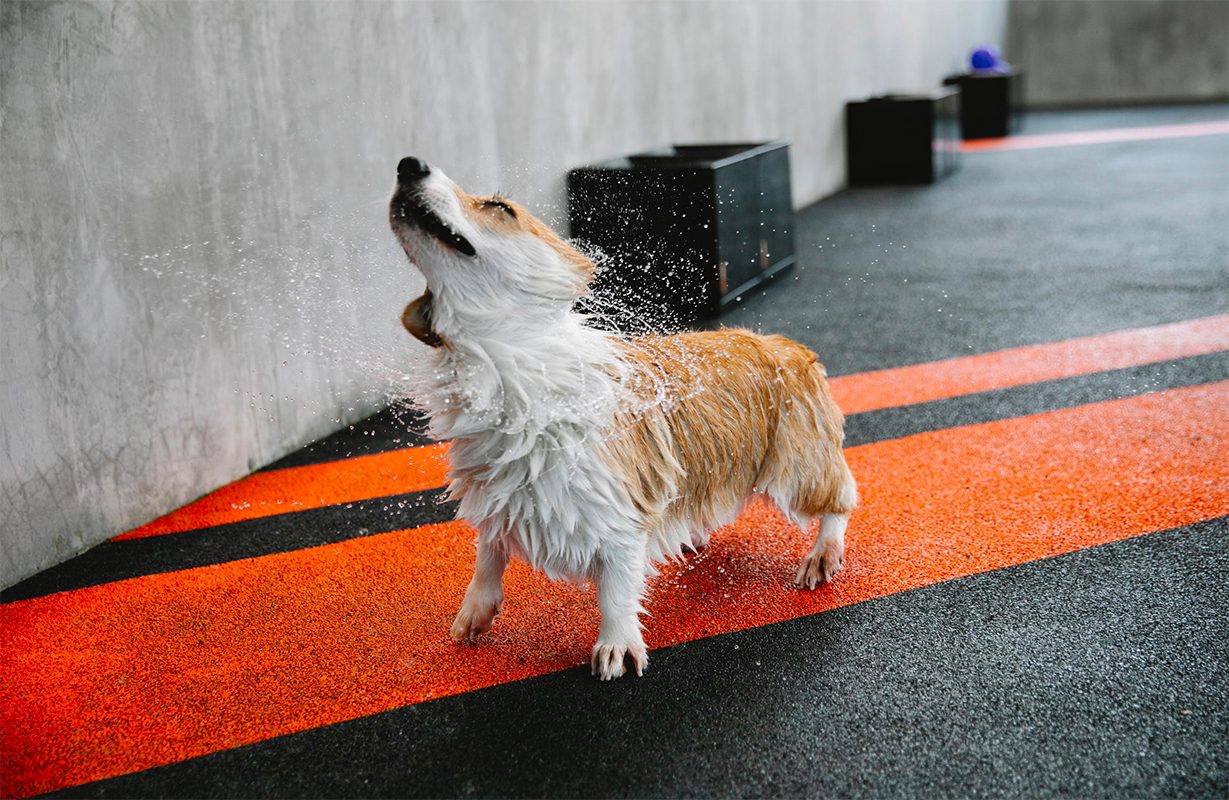
How to stop dog shedding completely is not possible for a healthy dog, but you can dramatically reduce loose fur with the right grooming routine, nutrition, home-cleaning habits, and veterinary care. Dog shedding can feel overwhelming when fur covers your sofa, clothes, car seats, and floors. This guide explains why dogs shed, how to control shedding at home, which brushes and supplements help, and when shedding may signal a health problem.
If you live in the UAE, heat, air-conditioning, indoor living, and seasonal coat changes can make shedding more noticeable. Whether you have a German Shepherd, Golden Retriever, Husky, or Labrador, a consistent deshedding plan can keep your home cleaner and your dog more comfortable.
The short answer is no: you cannot stop a dog from shedding entirely. Shedding is a natural process in which old or damaged hair falls out and new hair grows in its place. All dogs shed to some degree, although hairless breeds and low-shedding breeds shed far less than double-coated breeds.
What you can do is reduce excessive shedding, manage loose hair before it spreads around the house, and identify underlying causes when shedding becomes abnormal. Healthy shedding is usually spread evenly across the coat and is not accompanied by bald patches, redness, sores, intense scratching, or changes in behavior.
If you are wondering, “Why is my dog shedding so much?” the answer may be as simple as breed and season. However, excessive shedding in dogs can also be caused by stress, poor nutrition, parasites, allergies, hormonal problems, skin infections, or an underlying medical condition.
Dogs shed for several natural reasons:
Breed and coat type: Double-coated breeds such as German Shepherds, Huskies, Golden Retrievers, and Labradors shed more because they have a dense insulating undercoat beneath longer guard hairs.
Seasonal shedding: Many dogs shed more in spring and autumn as they adjust their coat for changing temperatures. In the UAE, indoor air-conditioning and warm outdoor temperatures can blur these seasonal patterns, but heavy coat blows can still occur.
Puppy-to-adult coat transition: Puppies often lose their soft puppy coat as their adult coat develops.
Normal hair-cycle renewal: Hair grows, rests, and falls out in cycles. Some loose hair every day is expected.
Contact your veterinarian if shedding seems sudden, severe, or uneven. Common causes of excessive shedding include:
Fleas, ticks, mites, or lice, which can irritate the skin and cause scratching and hair loss.
Food allergies or environmental allergies to pollen, dust mites, mold, or cleaning products.
Dry skin caused by low humidity, frequent bathing, harsh shampoos, or inadequate essential fatty acids.
Bacterial or fungal skin infections, including ringworm.
Hormonal conditions such as hypothyroidism or Cushing’s disease.
Stress, anxiety, or major changes in routine.
Poor-quality diet or nutrient deficiencies.
Pregnancy, nursing, illness, or recovery from surgery.
Double-coated dogs have two layers of fur: a soft, dense undercoat that insulates them and a longer outer coat that protects against dirt, water, and sun. Breeds such as German Shepherds, Siberian Huskies, Golden Retrievers, Akitas, Samoyeds, and many Labrador-type dogs are prone to heavy shedding, especially during coat-blowing seasons.
During a coat blow, the undercoat releases large amounts of loose fur at once. Regular brushing is essential because dead undercoat can become trapped, forming mats and trapping heat against the skin. Never shave a double-coated dog unless your veterinarian advises it for a medical reason; shaving can interfere with natural temperature regulation and may cause the coat to grow back unevenly.
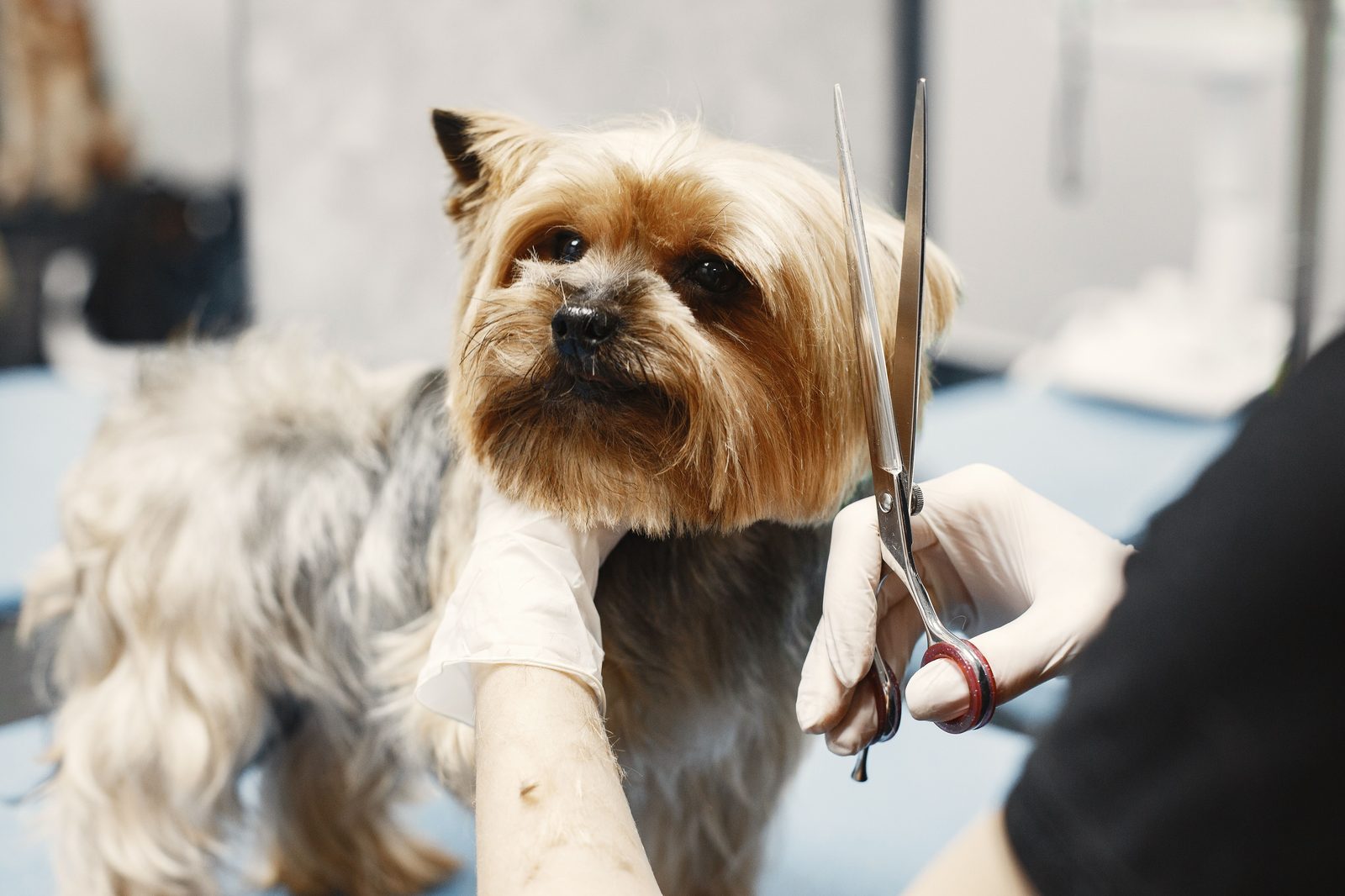
The most effective way to control dog shedding at home is a routine that combines brushing, bathing, nutrition, parasite prevention, and cleaning. You do not need expensive equipment to see a major improvement; consistency matters more than anything else.
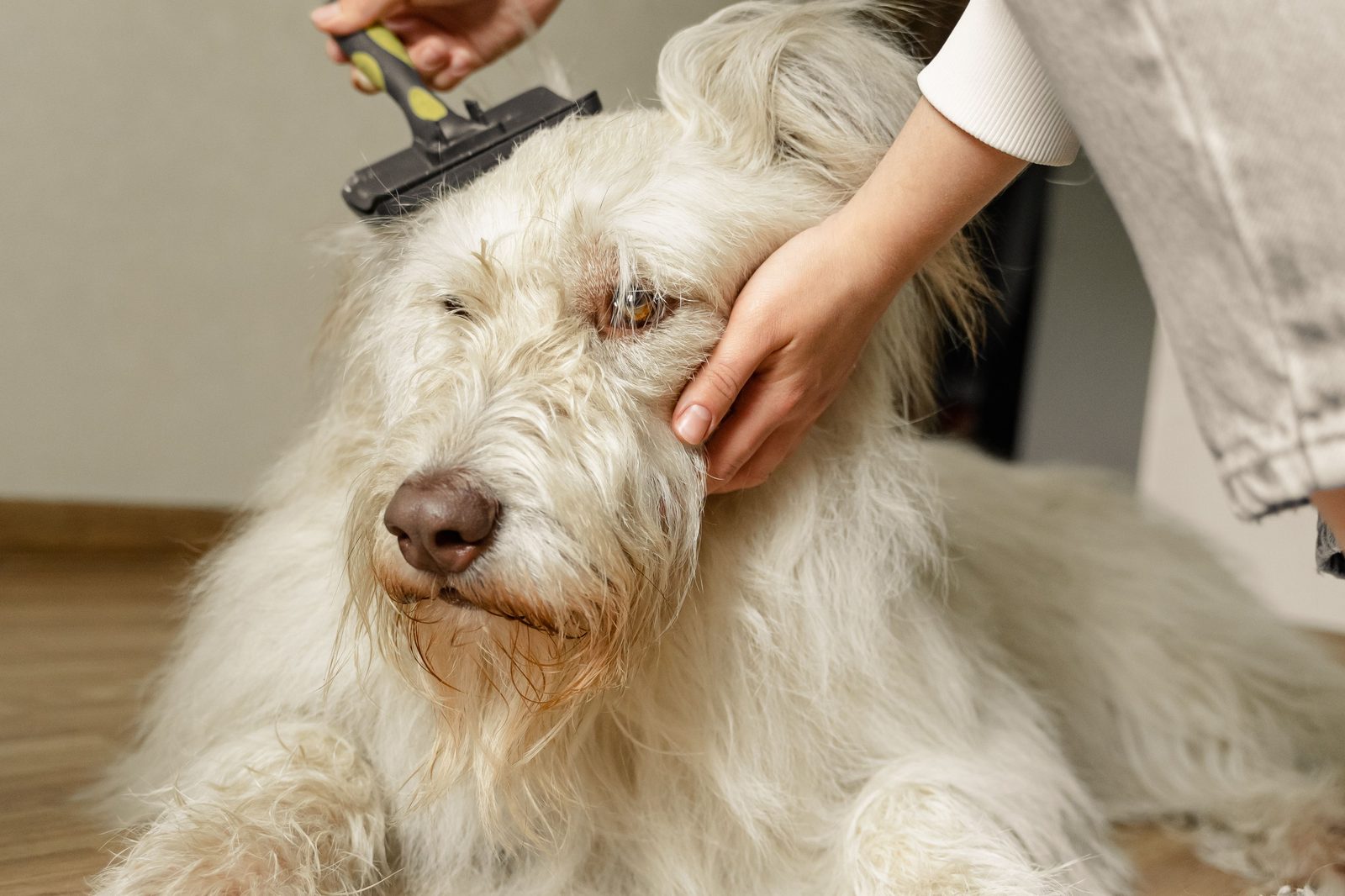
Brushing removes loose hair before it lands on your furniture. For short-haired dogs, brushing two to three times per week may be enough. For heavy shedders and double-coated breeds, daily brushing during shedding season is often necessary.
A good routine is:
Brush outdoors or in an easy-to-clean area when possible.
Start with gentle strokes in the direction of hair growth.
Work through the coat in sections, paying attention to the neck, chest, belly, hindquarters, and tail.
Use a deshedding tool only as directed, since overuse can irritate the skin.
Reward your dog with treats and praise so grooming becomes a positive experience.
Bathing helps loosen dead hair and wash away dander, dirt, and allergens. Most healthy dogs do well with a bath every four to eight weeks, but the ideal frequency depends on their skin, activity level, and veterinarian’s advice. Overbathing can strip natural oils and worsen dryness, which may increase shedding.
Use a dog-specific shampoo formulated for your dog’s skin type. Avoid human shampoo, which can disrupt the skin barrier. After bathing, dry your dog thoroughly and brush again once the coat is fully dry; this is often when the most loose hair comes out.
A shiny, resilient coat starts from within. Dogs need high-quality protein, healthy fats, vitamins, and minerals to maintain strong hair follicles. If your dog eats a complete and balanced diet suited to their age, size, and health status, shedding should remain within a normal range.
Look for dog food that lists a named animal protein as a main ingredient and contains omega-3 and omega-6 fatty acids. If you suspect food is contributing to shedding or itching, speak with your veterinarian before changing diets, especially if your dog has vomiting, diarrhea, weight loss, or persistent skin problems.
Omega-3 fatty acids, especially EPA and DHA found in fish oil, support skin barrier function and may help reduce dryness and inflammation. Many owners notice an improvement in coat shine and comfort after consistent supplementation, although supplements will not stop shedding caused by parasites, infection, or hormonal disease.
Use a pet-specific fish oil product and follow the label or your veterinarian’s dosage instructions. Too much fish oil can cause digestive upset and may interfere with certain medications, so veterinary guidance is important.
Biotin is a B vitamin involved in healthy skin and hair. Some coat supplements combine biotin with omega fatty acids, zinc, and vitamins to support skin and coat condition. These products may help dogs with dry coats or mild nutritional gaps, but they are not a cure for medical shedding.
Before giving supplements to stop dog shedding, check with your veterinarian. This is particularly important for puppies, pregnant dogs, dogs with kidney or liver disease, and dogs already taking medication.
Fleas and other external parasites are a common but overlooked cause of shedding and itching. In the UAE’s warm climate, parasite prevention should be maintained year-round according to your veterinarian’s recommendations. Regular prevention protects your dog from discomfort and reduces the risk of flea-allergy dermatitis, which can cause intense scratching and hair loss.
Stress can affect the hair-growth cycle. Dogs that are anxious, bored, or physically under-stimulated may scratch, lick, or shed more. Provide daily walks, playtime, mental enrichment, predictable routines, and a comfortable resting space. During UAE summer, schedule outdoor exercise during cooler early-morning or evening hours and keep your dog hydrated.
Choosing the best brush for dog shedding depends on your dog’s coat type. A single brush rarely suits every dog, so many owners use a combination of tools.
Coat type
Best grooming tools
How often to brush
Short coat, e.g., Beagle, Boxer
Rubber curry brush, grooming glove, soft bristle brush
2–3 times weekly; daily during heavy shedding
Medium or wiry coat
Slicker brush, undercoat rake, comb
2–4 times weekly
Long coat
Slicker brush, wide-tooth comb, detangling spray
Daily or every other day
Double coat, e.g., Husky, German Shepherd
Undercoat rake, deshedding brush, wide-tooth comb
Several times weekly; daily during shedding season
A deshedding brush for dogs is designed to remove loose undercoat rather than merely smoothing the topcoat. These tools can be extremely effective for double-coated breeds, but they should be used gently and sparingly. Brushing too aggressively or too often can cause brush burn, redness, or skin irritation.
For best results, use a deshedding tool after your dog is dry and brushed free of tangles. Make light passes in the direction of coat growth, then check the skin for irritation. Stop if your dog shows pain, flinching, or skin redness.
The Furminator is a well-known type of deshedding tool that uses a fine comb-like edge to reach through the topcoat and remove loose undercoat. It can be useful for heavy shedders, but it is not ideal for every coat. Dogs with very short coats, sensitive skin, thin coats, or certain coat textures may need a gentler tool.
If you use a Furminator for dog shedding, choose the correct size and coat-length version, use it no more often than the manufacturer recommends, and avoid using it on wet fur, irritated skin, or mats.
An undercoat rake for dogs is often the safest first choice for thick double coats. Its widely spaced teeth glide through the undercoat and lift out dead fur without cutting or scraping the outer coat when used correctly. It is especially helpful for Huskies, German Shepherds, Golden Retrievers, and other breeds with dense seasonal coats.
A dog grooming glove is a gentle option for dogs that dislike brushes. The rubber tips collect loose hair while feeling similar to petting. Grooming gloves are useful for short coats, sensitive dogs, puppies, and quick daily maintenance, although they may not remove enough undercoat from very thick double coats.
Learning how to deshed a dog properly can reduce shedding for days or even weeks. Follow this simple routine:
Brush out tangles first with a slicker brush or comb. Never force a deshedding tool through mats.
Use an undercoat rake in sections, working from neck to tail and from the top of the body downward.
Use a deshedding brush or Furminator-style tool lightly on dry fur, focusing on areas where loose undercoat collects.
Finish with a grooming glove or soft brush to collect remaining surface hair.
Bathe only when appropriate, using lukewarm water and dog shampoo.
Dry completely, then brush again to remove hair loosened by the bath.
Clean tools after each session to prevent hair buildup and bacteria.
German Shepherds have a thick double coat and shed throughout the year, with heavier shedding during seasonal coat changes. Brush several times per week using an undercoat rake, and daily during heavy shedding periods. Avoid shaving, keep baths infrequent but effective, and check the ears, paws, and tail for mats or trapped undercoat.
Golden Retrievers shed heavily, particularly around the neck, chest, trousers, and tail. You cannot stop Golden Retriever shedding completely, but frequent brushing, a healthy diet, omega-3 support, and seasonal deshedding sessions can greatly reduce loose hair. Pay special attention behind the ears and under the legs, where tangles form quickly.
Husky shedding season can be intense. During a coat blow, a Husky may lose large clumps of undercoat over several weeks. Daily brushing with an undercoat rake is usually necessary. Never shave a Husky; their double coat helps protect them from both heat and cold.
Labrador shedding control depends on regular brushing with a rubber curry brush, grooming glove, or deshedding tool. Labs often shed more during seasonal transitions. A balanced diet, flea prevention, and routine baths can also help keep loose hair manageable.
Spring dog shedding is one of the most common shedding patterns. As daylight increases and temperatures rise, many dogs shed their thick winter undercoat. Seasonal shedding dogs may also shed again in autumn as they prepare a denser coat for cooler weather.
In the UAE, seasonal shedding can be less predictable because many dogs live primarily indoors with air-conditioning. Still, you may notice heavier shedding during temperature changes, after travel, or when your dog spends more time outdoors. Increase brushing frequency during these periods and be patient: a major coat blow can last several weeks.
Dog shedding in UAE summer can be challenging because high outdoor temperatures and strong indoor air-conditioning create a big temperature contrast. Keep your home comfortably cool, provide fresh water at all times, and avoid walking your dog during peak heat. Hot pavement can burn paws, and overheating is a serious risk.
For summer coat care:
Brush more often to remove trapped dead undercoat.
Do not shave double-coated dogs unless medically necessary.
Use veterinarian-approved parasite prevention year-round.
Watch for heat stress, excessive panting, lethargy, or reluctance to move.
Keep grooming sessions short and positive in warm weather.
Even with excellent grooming, some dog hair will end up around the house. These strategies make cleanup easier:
Use washable sofa covers, blankets, and pet beds.
Vacuum floors, rugs, and upholstery several times weekly using a pet-hair attachment.
Use a damp rubber glove or squeegee to lift hair from fabric and car seats.
Keep lint rollers near entryways, sofas, and in your car.
Wash pet bedding weekly in hot water if the fabric allows.
Use an air purifier with a HEPA filter to reduce airborne dander and floating hair.
Establish a no-dog zone on beds or light-colored furniture if shedding is difficult to manage.
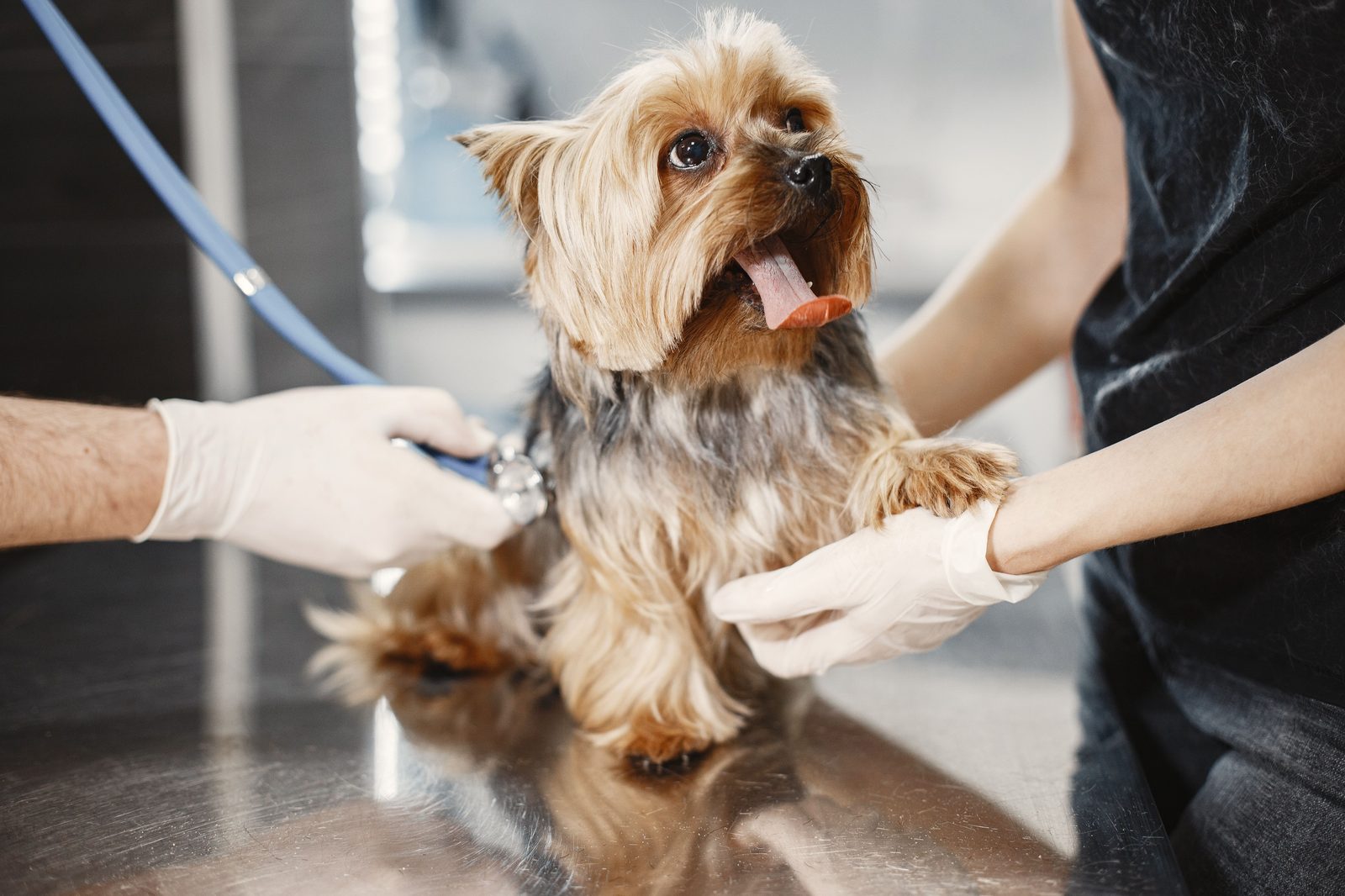
Shedding becomes a medical concern when it is accompanied by other symptoms. Dog shedding and itching together often point to fleas, allergies, dry skin, or infection. Dog shedding bald patches, scabs, redness, odor, black debris, or sudden hair loss should never be ignored.
See a veterinarian promptly if your dog has:
Bald patches, thinning coat, or symmetrical hair loss.
Constant scratching, licking, chewing, or rubbing.
Red, inflamed, scabby, oily, or flaky skin.
Fleas, flea dirt, ticks, or visible parasites.
A dull, brittle coat despite good nutrition and grooming.
Sudden or severe shedding after a diet change, medication, illness, or stressful event.
Vomiting, diarrhea, weight changes, low energy, or increased thirst.
Your veterinarian may recommend skin scrapings, flea treatment, allergy management, blood tests, thyroid testing, or medicated shampoo depending on the suspected cause.
There is no single “anti-shedding” food, but dog food for less shedding should support skin barrier health and hair growth. Choose a complete and balanced diet appropriate for your dog’s life stage, with high-quality protein and essential fatty acids. Dogs with food sensitivities may benefit from a veterinarian-guided elimination diet.
Avoid suddenly switching foods, and introduce new diets gradually over seven to ten days. If your dog’s coat does not improve after several weeks of good nutrition and grooming, ask your veterinarian whether an underlying condition or nutrient deficiency could be involved.
Supplements can support coat health, but they work best alongside grooming and parasite control. Common options include:
Fish oil or omega-3 supplements for skin moisture and coat shine.
Biotin for dogs shedding, often included in skin-and-coat formulas.
Omega-6 fatty acids to support the skin barrier.
Zinc and vitamin E, when a deficiency is identified by a veterinarian.
Remember that supplements cannot replace veterinary treatment for fleas, allergies, infections, or hormonal disease.
For pet owners in Dubai, Abu Dhabi, Sharjah, and across the Emirates, it is important to buy genuine pet deshedding products from a trusted supplier. Look for undercoat rakes, deshedding brushes, grooming gloves, dog shampoo, omega-3 supplements, flea prevention, and high-quality dog food from reputable brands.
WorldCart UAE offers premium veterinary and pet-care products with delivery across Dubai, Abu Dhabi, and all seven Emirates. From grooming supplies to pet medicines and nutrition, it is a convenient place to buy dog grooming supplies UAE owners need for a complete shedding-control routine.
Here is a practical routine for a medium-to-heavy shedding dog:
Monday: Brush with an undercoat rake and check skin for fleas, redness, or mats.
Tuesday: Quick grooming-glove session and wipe down paws after outdoor walks.
Wednesday: Full deshedding session with an undercoat rake or deshedding brush.
Thursday: Vacuum furniture, rugs, and pet bedding.
Friday: Brush and inspect ears, paws, tail, and belly.
Saturday: Bath only if due, followed by thorough drying and brushing.
Sunday: Wash pet bedding, blankets, and washable sofa covers.
You may not be able to stop dog shedding completely, but you can control it effectively. Brush consistently, choose the right deshedding tools for your dog’s coat, feed a balanced diet, use omega-3 or biotin supplements only when appropriate, maintain parasite prevention, and keep your home clean with a simple weekly routine.
Most importantly, learn the difference between normal shedding and excessive shedding in dogs. If your dog has bald patches, itching, red skin, or sudden hair loss, contact your veterinarian. With the right care, your dog can have a healthier coat—and your home can stay much fur-free.